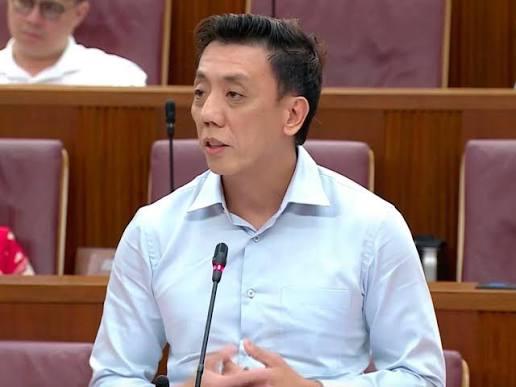

There’s a growing tendency by some to conflate making suggestions with actual policy-making — and I find this both misleading and unfair.
Take the Workers’ Party, for instance. A common refrain from them is that the Government often “adopts their proposals in some form.”
But when one takes a closer look, many of these so-called “proposals” are often broad ideas floated without clear implementation plans, fiscal considerations, or detailed policy frameworks.
Suggesting something in Parliament or in a manifesto without the necessary depth doesn’t make it a policy proposal — not in the way actual governance demands.
Years ago, I wrote to a minister to suggest waiving the maid levy for families hiring helpers to care for special needs children.
This came after I had many opportunities to interact with parents of children with multiple disabilities — children who require intensive support for daily activities.
For many of these families, hiring a domestic helper is not a luxury. It’s a necessity. And for lower-income households, the financial burden is especially crushing.
I was moved to act because I saw a gap that needed attention. I didn’t know if I would get a response and was pleasantly surprised when the minister who was Tharman Shanmugaratnam replied: “We will consider it.”
Not long after, during the budget for that year, the maid levy was reduced significantly for caregivers of children, persons with disabilities and seniors — from $350 to $60 a month. It wasn’t a full waiver, but it was meaningful relief.
Now, would it be reasonable for me to claim that I proposed a policy and the Government adopted it “in some form”? That would be absurd.
What I did was offer a suggestion — something any engaged citizen can do.
But it was the Government that did the hard work: evaluating the idea, studying its feasibility, and ultimately implementing a policy change with real financial and administrative implications.
This is the crucial difference.
My point is that making an offhand suggestion or floating an idea — even a good one — is not the same as putting forward a workable policy plan.
The WP’s tendency to take credit after the fact for policies that resemble ideas they once vaguely alluded to — without ever offering the specifics needed to bring them to life — does a disservice to the seriousness of policy-making.
Governance is not a game of who-said-what-first. It’s about who can do the work, make it happen, and be accountable for the outcomes.