
How can we help migrant workers to integrate better? How can we move fro m co-existence to connection?
Yesterday, as I went about my usual day, I noticed a few things.
While walking through Tampines, I passed by some foreign workers fixing the pedestrian lights. They were focused on their task.
Later, at the bus interchange, I overheard a few bus captains speaking to each other. Their accents told me they were not locals.
And closer to home, I saw many foreign workers involved in the construction of the Cross Island Line, working tirelessly under the very hot sun.
So many migrant workers, you say.
But I thought to myself: where would Singapore be without these foreign workers?
They are everywhere — building our MRT lines, repairing our roads, keeping our estates clean, driving our buses, and doing countless other jobs that are essential to the smooth running of our daily lives.
Their presence is woven so tightly into the fabric of Singapore that we sometimes forget how much they contribute.
I also asked myself: would there be Singaporeans willing to take on these jobs? And even if some were, would there be enough of us to meet the demand?
Many of these roles are physically demanding and often done in difficult conditions.
Yet they are crucial.
Without them, much of what we take for granted — clean streets, reliable transport, ongoing construction and development — could come to a halt.
Behind Singapore’s efficient systems and gleaming skyline are thousands of foreign workers whose hard work, sacrifices, and sweat make it all possible.
Their contribution deserves more recognition, more appreciation, and certainly more respect.
Since their presence is woven so tightly into the fabric of Singapore, why do we not make the effort to help them better integrate into our society even if most will be here for just a period of time?
Such efforts will help to reduce the friction between locals and the migrant community.
This can begin by recognising our shared humanity.
Because migrant workers live and work in a separate rhythm from the average Singaporean, there’s often little interaction beyond a passing glance or service transaction.
This separation can lead to misunderstanding, indifference, or even prejudice.
We can change this by creating opportunities for interaction that are meaningful, respectful, and joyful.
I believe a good way forward is to organise events that allow both communities to interact through fun and shared experiences – like friendly matches, or art and music workshops where songs, dances and so on can be showcased to show the richness of each other’s culture.
These shared moments help us see one another as people, not just by our roles or labels. That’s when real understanding begins.
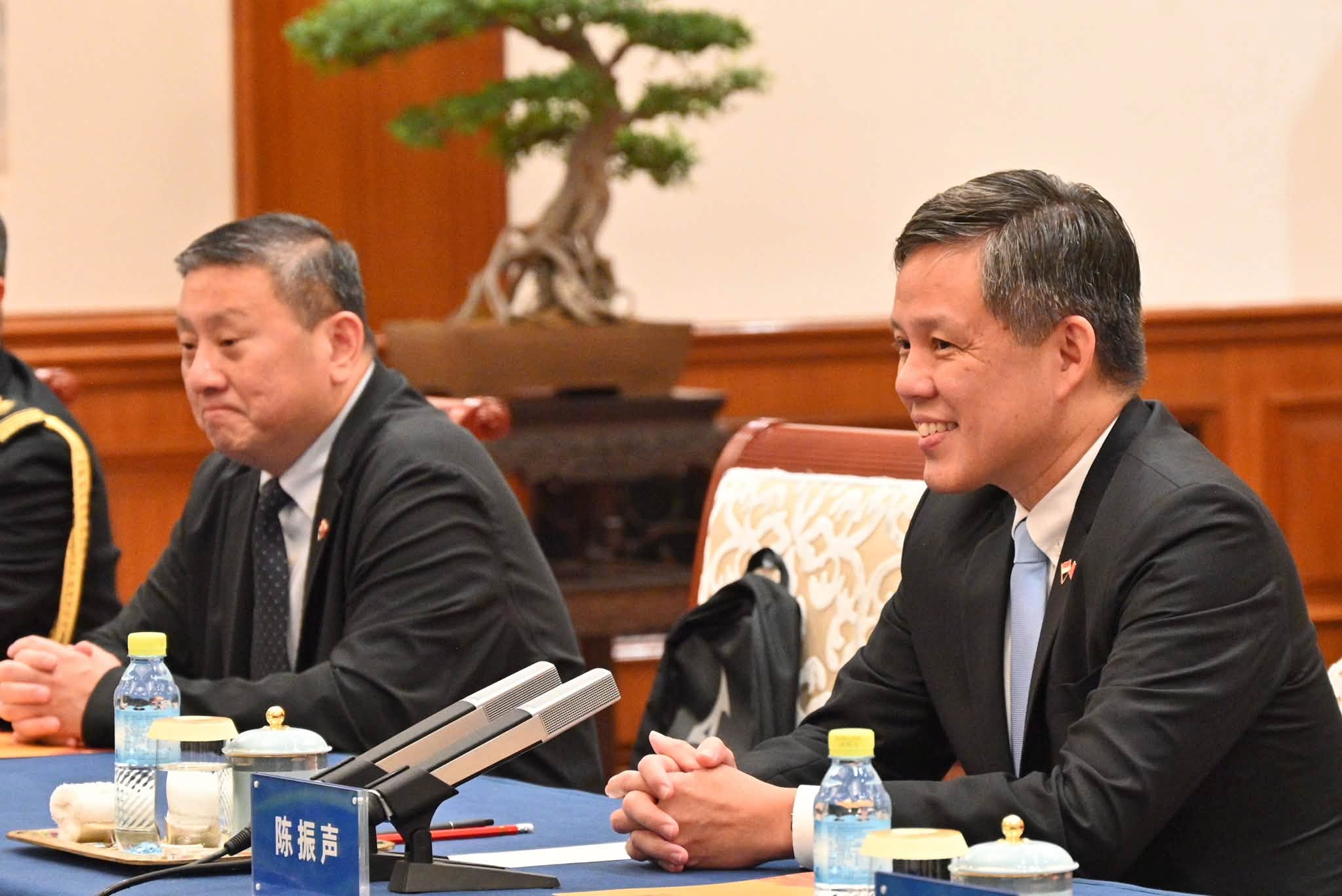
How do we enhance our own security without being perceived as a threat to others: Chan Chun Sing at Xiangshan Forum
Defence Minister Chan Chun Sing spoke at the 13 Xiangshan Forum in Beijing, China on 16 September, 2026. Here is the full transcript of his