Singapore retained its ranking as the world’s top maritime centre, marking the 12th consecutive year it has led the Xinhua-Baltic International Shipping Centre Development (ISCD) Index. It achieved a score of 99.50 out of 100
London once again secured second position with a score of 81.02, demonstrating its continued prominence as a maritime support services powerhouse. Shanghai, with a score of 81.01, retained third place, highlighting its significant role as a major port city in Asia. London and Shanghai have maintained their positions within the Index for the past five years.
Hong Kong (80.77) and Dubai (75.97) rounded out the top five, emphasising the strength and importance of these key global shipping hubs. Rotterdam solidified its position as a European leader by maintaining its strong sixth place from 2024 to 2025.
Jointly released by the Baltic Exchange and China’s Xinhua News Agency, the ISCD Index is a key international benchmark that assesses the strength of maritime hubs globally. It evaluates port performance based on cargo throughput, infrastructure, maritime services such as legal, financial and shipbroking expertise, as well as the broader business environment. The index is closely tracked by shipping companies, port investors, and maritime service providers to guide investment and strategic decisions.
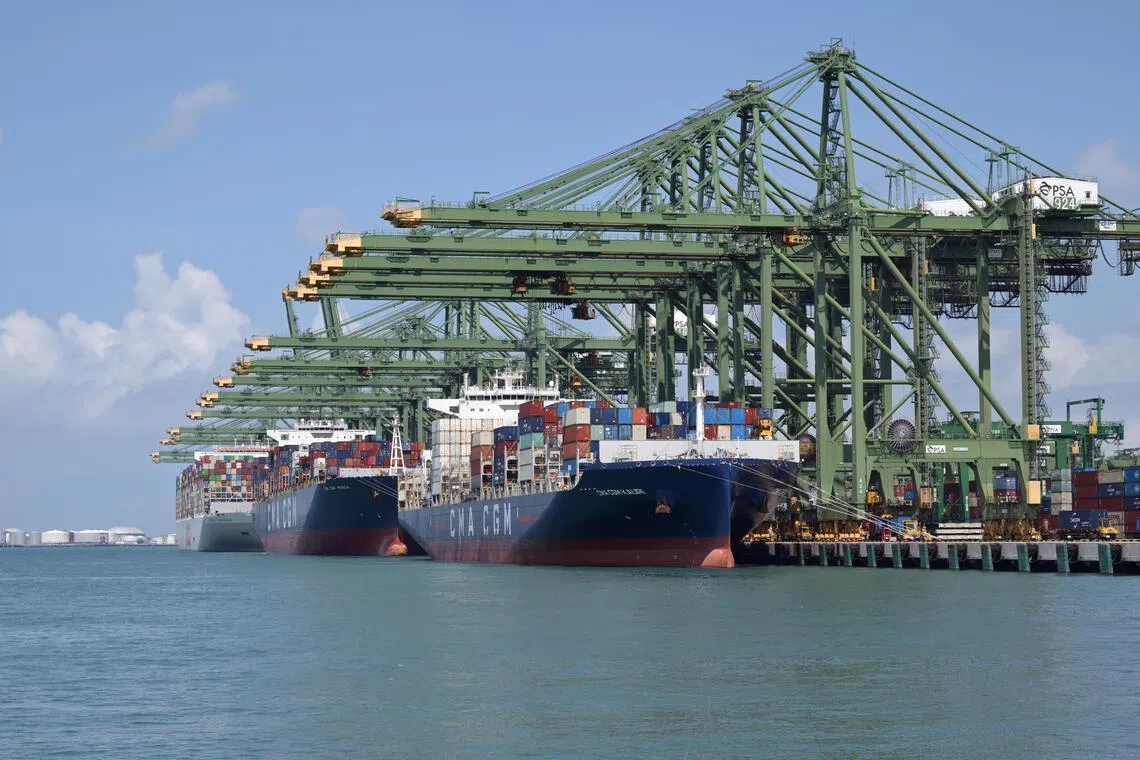
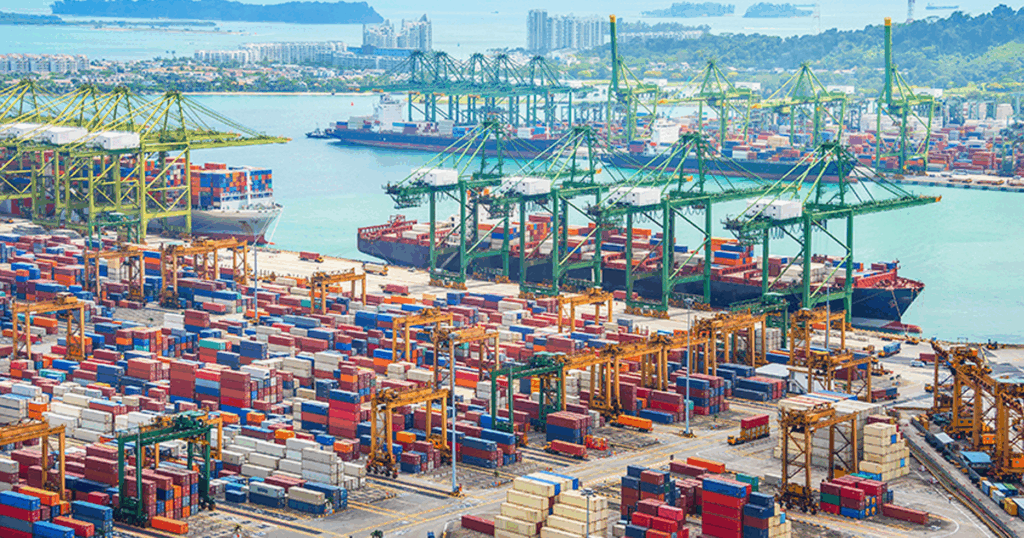
Singapore secured the number one spot among 43 maritime cities and regions, thanks to its strong and consistent performance as a major transhipment and bunkering hub. It is supported by a robust ecosystem of maritime services and deep technical and professional expertise.
In 2024, Singapore set a new record for container throughput, handling 41.12 million twenty-foot equivalent units (TEUs). It also reported over 3 billion gross tons in vessel arrival tonnage. The Port of Singapore remained the world’s top bunkering port, supplying 54.92 million tonnes of marine fuel last year.
Beyond its port operations, Singapore continues to grow as a hub for maritime innovation and enterprise. It is home to more than 200 international shipping groups and an increasing number of maritime technology start-ups. This dynamic industry is creating new job opportunities in areas such as digital port operations, automation, maritime sustainability, and law, as the sector evolves to meet the demands of a digital and low-carbon future.
Mr Ang Wee Keong, Chief Executive of the Maritime and Port Authority of Singapore, attributed the achievement to the collective efforts of industry players, unions, and the research and enterprise community. “We thank our partners who have been instrumental in Singapore’s journey to become a leading international maritime centre and global hub port. We will continue to build on this momentum by innovating and investing in digitalisation, green technologies, and workforce development,” he said.