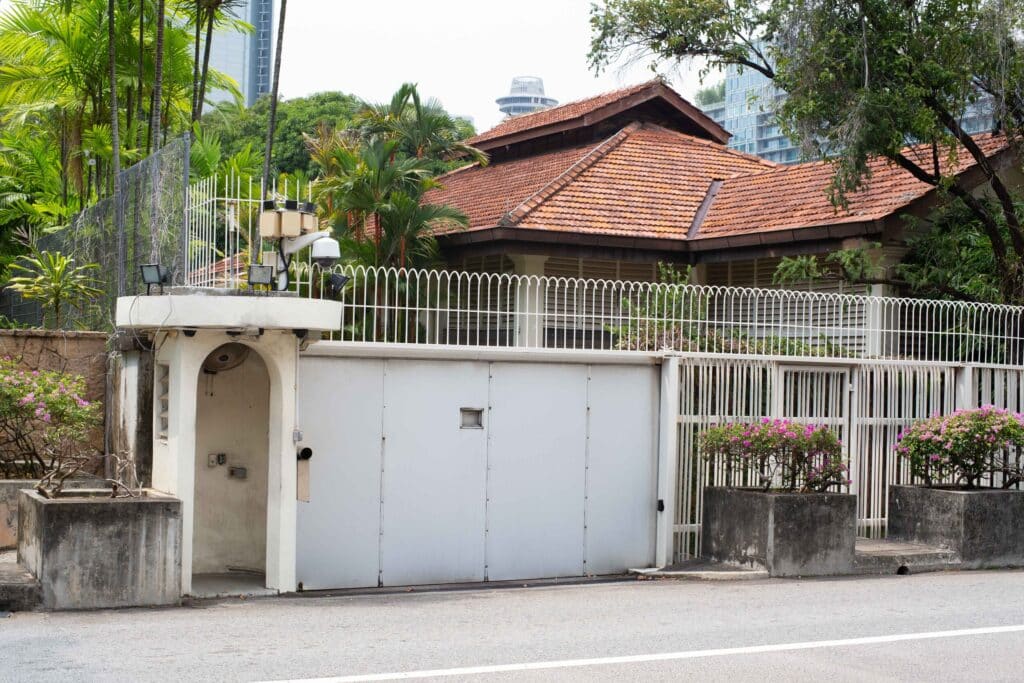
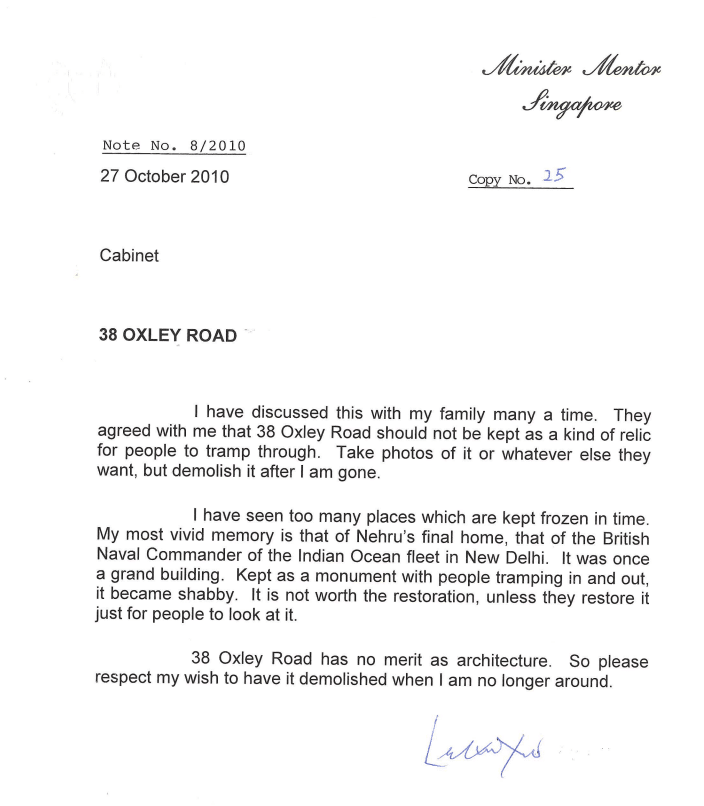
Mr Lee Kuan Yew’s wish for his house at 38 Oxley Road to be demolished was well known. After his wife, Kwa Geok Choo died in 2010, Mr Lee wrote to the Cabinet to put his position on the record. The letter was dated 27 October 2010. The reason given was that the house has no architectural merit. Over time, it would become shabby.
He explained again the reason he wanted the house demolished in his book “Hard Truths to Keep Singapore Going”. He did not want the house to become a shambles. The cost of preservation would be high because the house was built over a hundred years ago and had no foundation. If the house was demolished and planning rules could change, the value of the land, as well as the surrounding plots, would go up.
While Mr Lee’s concern was that the house would become run-down and dilapidated, and an expensive burden to maintain, his wife had a different concern of privacy.
As Lee Hsien Loong said, she felt strongly that her private living spaces should always remain private. He said, “She had been most distressed at the thought of people tramping through her personal spaces after she and my father passed away, to gawk at how they had lived.”
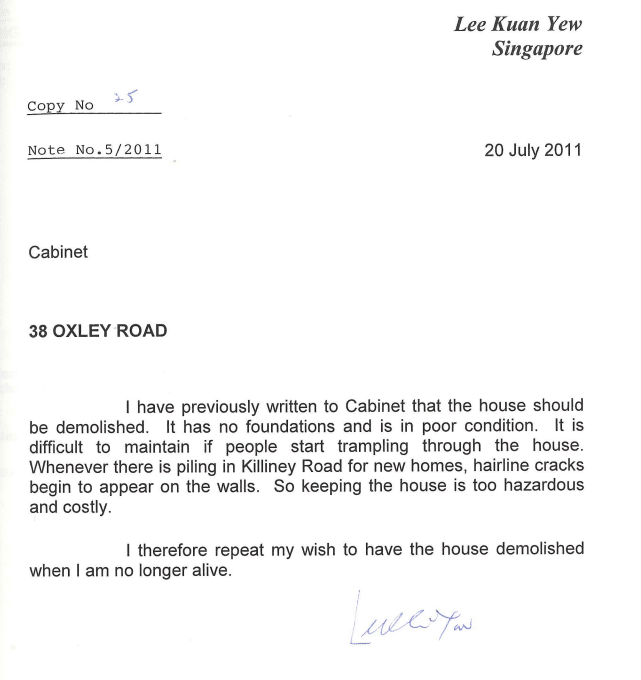
In August 2011, about a month after the Mr Lee met with Cabinet to make his case, Mr Lee decided to will 38 Oxley Road to his son, Lee Hsien Loong. He told the family so.
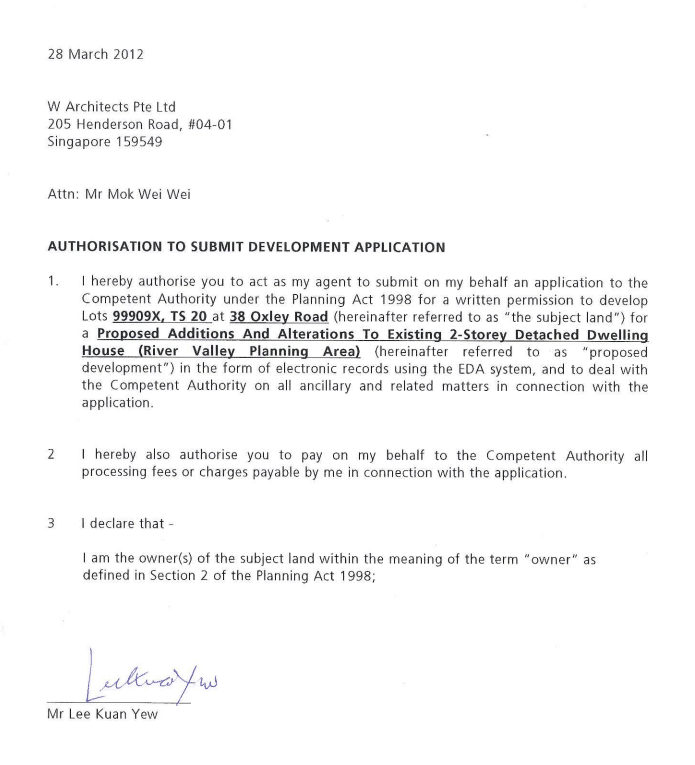
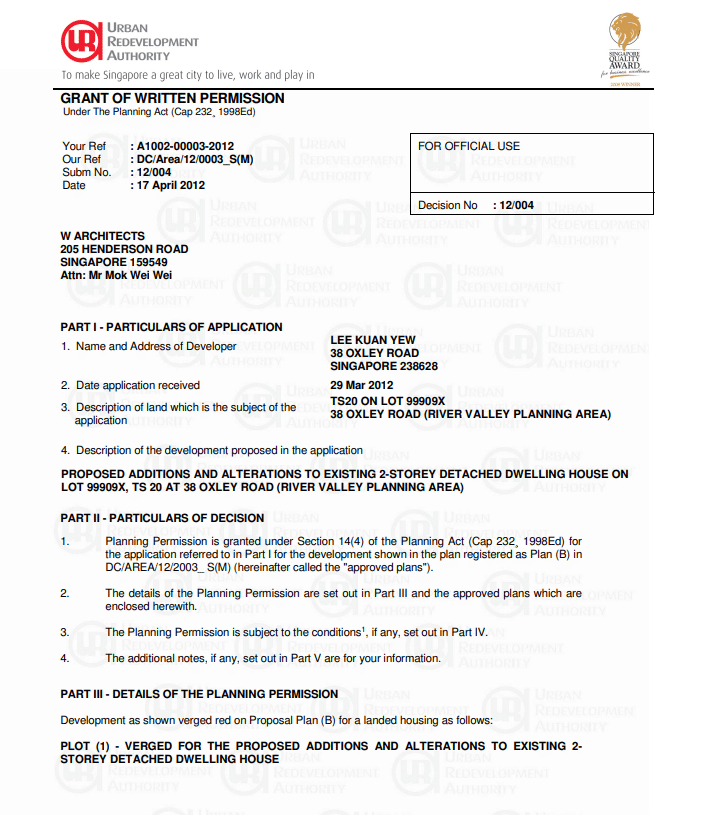
Taking into consideration their father’s wishes and their mother’s feelings, Ho Ching and Lee Hsien Loong came up with a proposal to renovate the house to change the inside completely: Demolish the private living spaces to preserve the privacy of the family; keep the basement dining room, which was of historical significance; strengthen the structure which was decaying, and create a new and separate living area, so that the house could be lived in.
Mr Lee accepted this proposal.
In December 2011, Mr Lee told his family that it was “best to redevelop 38 Oxley Road straightaway”, after he died, and do what was proposed.
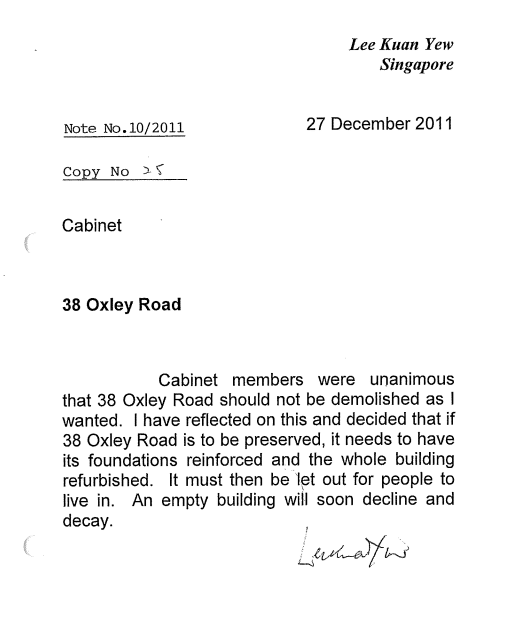
Mr Lee then wrote again to Cabinet a third time on 27 December 2011 saying that if the house was to be preserved, it would need to have its foundations reinforced and the whole building refurbished. It must then be let out for people to live in because an empty building would soon decline and decay.
The conflict only arose after Lee Kuan Yew had passed away
Throughout, Lee Hsien Loong and Ho Ching kept everyone in the family informed, emailing everyone. No one raised any objections.
The difference in views surfaced only after Mr Lee had passed away and during the reading of his Will, when Lee Hsien Yang wanted the house demolished immediately. This was the first time he objected to plans his father had approved.
Bear in mind that 38 Oxley Road was willed to Lee Hsien Loong. His siblings were unhappy that he was getting the house.
Lee Hsien Loong thought the best way to resolve the matter was to transfer the house to his siblings.
He first offered to transfer the house to his sister for a nominal sum of $1, on condition that if the property is sold later, or acquired by the Government, all proceeds or compensation would go to charity.
Unfortunately, that deal fell through.
Subsequently, Lee Hsien Loong made a fresh proposal to sell the house to his brother at fair market value.
This time they reached agreement. This was in December 2015.
It was also agreed that they would each donate half the value of the house to charity.
In addition lee Hsien Loong topped up another half himself.
In other words, Lee Hsien Loong gave away to charities, full market value of the house that he had inherited.
Why did Lee Hsien Loong demand that the proceeds from the house be donated to charities?
Because a major concern of his was that the Lee family should not be seen to be benefitting financially from 38 Oxley Road either through receiving compensation from the State for acquisition or resisting acquisition or preservation or conservation to profit by re-developing and selling the property.
The shadow that fell between Lee Hsien Loong and his siblings has brought pain to SM Lee.
In a note on the recent passing of his sister Lee Wei Ling, he wrote:
Years ago, when I was about 13, my father felt his life to be in danger, and told me that if anything happened to him, I was to take care of my mother and younger sister and brother. Sadly, after he passed away in 2015, a shadow fell between my siblings and me, and I was unable to fulfil his wish. But I held nothing against Ling, and continued to do whatever I could to ensure her welfare.