The Cross Island Line is more than just a transportation milestone. It stands as a powerful symbol of what can be achieved when government and civil society engage sincerely, listen respectfully, and commit to a long-term partnership.
Through trust and collaboration, even the most complex and contentious decisions can be shaped in the public interest.
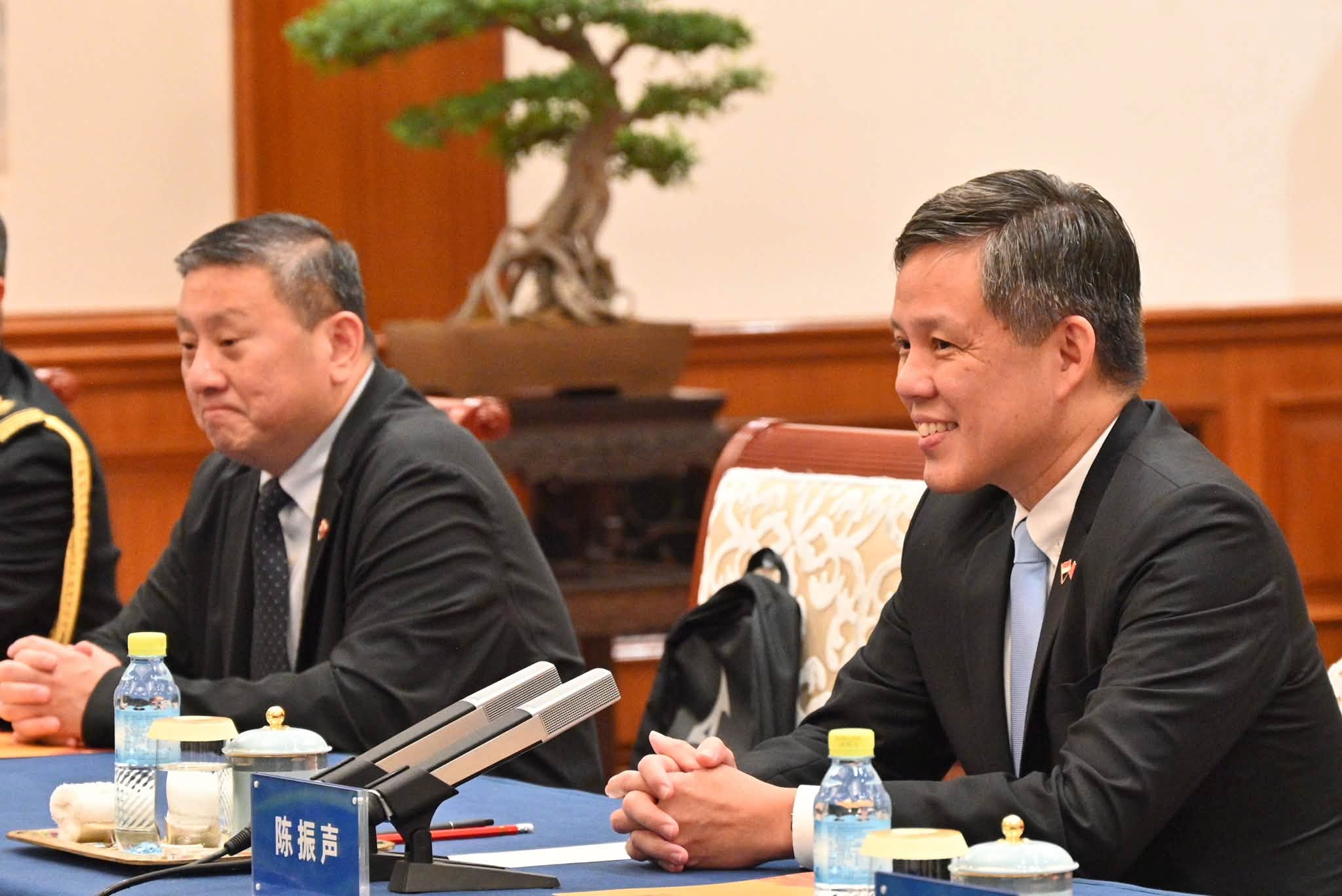
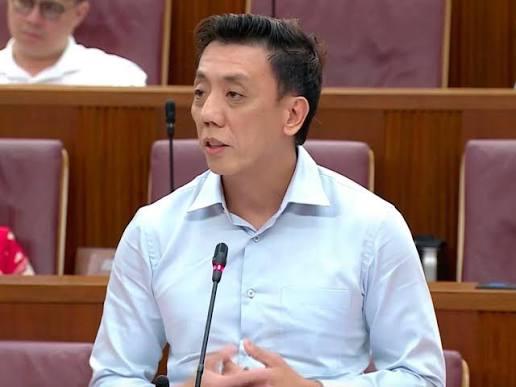
At the groundbreaking ceremony for Phase 2 of the Cross Island Line, Acting Transport Minister Jeffrey Siow called this collaboration “special.”
“The story of the Cross Island Line is not just about infrastructure, but about the people who got us here,” he said.
When the Line was first announced in 2013, there was immediate concern from nature groups over its proposed route, one that would pass under the Central Catchment Nature Reserve. While construction would largely take place deep underground, many worried about the potential long-term effects on fragile ecosystems and biodiversity.
At the time, Mr Siow was the Director of Land Transport at the Ministry of Transport.
The government’s first engagement with nature groups that year was challenging. Trust was low, especially in the wake of the contentious Bukit Brown project.
The early consultations were, as Mr Siow described them, “intense, sometimes heated but also honest.”
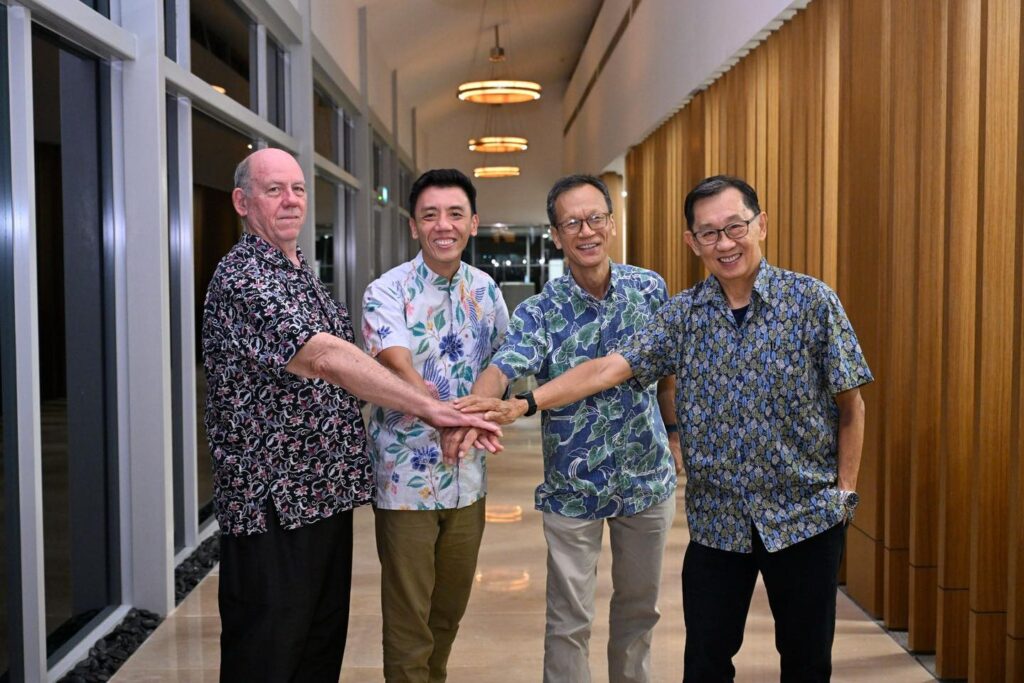
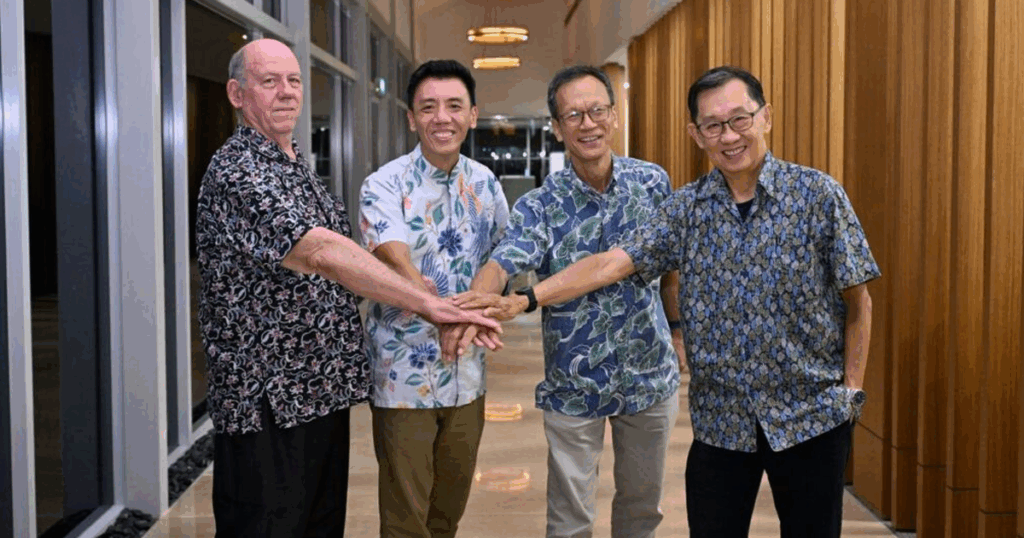
An acquaintance introduced Mr Siow to Dr Shawn Lum, then-President of the Nature Society, who subsequently connected him with other experts in the community: Tony O’Dempsey, Kwok Peng, Siva, Subaraj, and Vilma. These were individuals deeply committed to conservation and unafraid to make their case.
“All sides fought hard because we were passionate about our views,” Mr Siow recalled. “But most importantly, we were honest with each other, and in truth, we all wanted the same thing – to do right by Singapore and Singaporeans.”
Recognising the weight of the concerns, the government took an unprecedented step. For the first time in Singapore’s rail development history, an environmental impact assessment would be conducted, followed later by a second, more detailed study.
Nature groups were not merely consulted; they were actively engaged throughout the process.
There were many moments when both sides had to take leaps of faith.
Mr Siow described as a ‘key moment’, an instance when the nature groups persuaded then-Senior Minister of State for Transport Josephine Teo on a walk through the Central Catchment Nature Reserve. After the mosquito-filled trek, Mr Siow recalled with humour, “I think the nature group members concluded that both Minister Teo and the LTA working team were OK.”
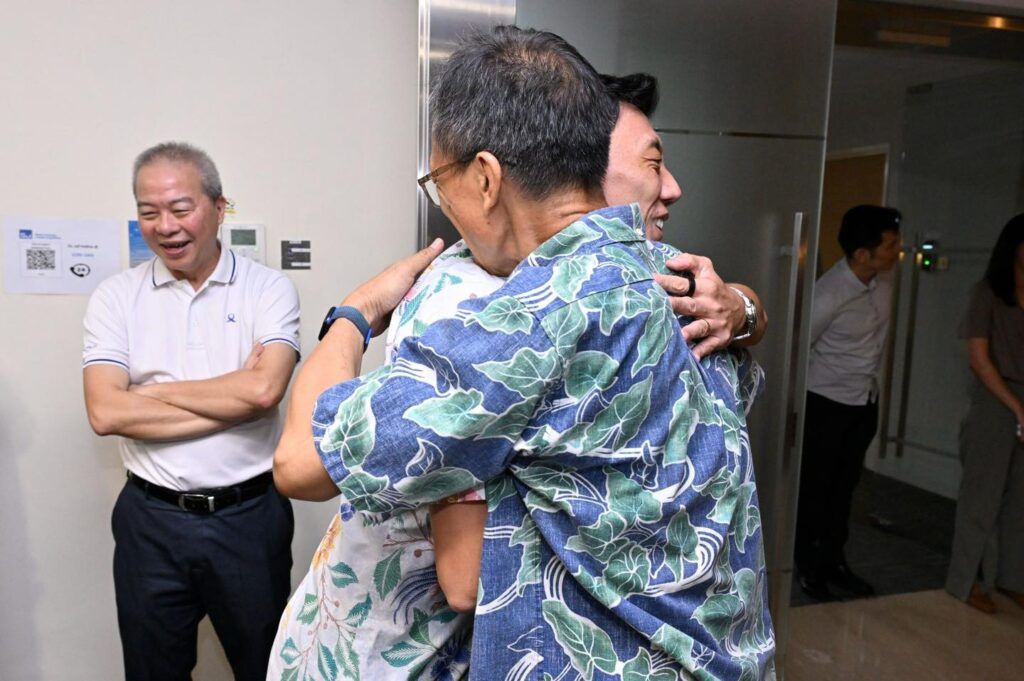
Over time, trust grew, even amid differences. Working relationships evolved into friendships.
The nature group leaders played a critical role in shaping the outcome. For instance, they helped the Land Transport Authority minimise environmental impact during soil investigations. The number of boreholes was reduced from 72 to just 16, thanks to the use of diagonal and horizontal drilling techniques. Groundwater released during drilling was carefully collected to prevent contamination, and cameras were installed to monitor wildlife in the area.
One such camera captured a Sambar deer, initially thought to be extinct in Singapore. It was later revealed to be an escapee from the zoo, but the sighting served as a poignant reminder of how rich and surprising Singapore’s biodiversity could be, and why the extra precautions mattered.
The government also engaged residents who lived near potential routes and commuters who would have been affected by shifts in travel time. A six-minute detour may sound minor, but in transport planning, it can significantly affect ridership and system viability.
Conclusion
The Cross Island Line exemplifies a different approach to governance, one where citizens and the government come together to co-create solutions that are more robust, more legitimate, and more future-oriented.
It also offers a rare and meaningful case study.
Singapore seldom sees sustained cooperation between public agencies and civil society on sensitive, high-stakes issues. The success of the CRL process shows that activism need not be adversarial. It need not be about pushing one’s position at all costs.
Activism, when it is constructive and open, can lead to solutions that benefit everyone.
After all, as Mr Siow said, we all want the same thing – to do right by Singapore and Singaporeans.